References 1 PubMed (BPC-157, preclinical)Stable gastric pentadecapeptide BPC-157: animal studies of tendon, ligament and muscle healing
Introduction Traveling with a GLP1 medication takes a little extra planning, but it does not have to be stressful
Ringseis, R., Keller, J., and Eder, K.: Regulation of carnitine status in ruminants and efficacy of carnitine supplementation on performance and health aspects of ruminant livestock: A review, Arch
Early results suggest these might produce 25% to 30% average weight loss, potentially exceeding even tirzepatide
Activation of the GLP-1Rs leads to a small increase in intracellular cAMP, sufficient to activate PKA with resultant inhibition of glucagon secretion

Heres a list of important things to consider when deciding whether or not to stop a seizure medication: Duration of seizure freedom (longer seizure-free period, often 25 years, lowers recurrence risk) Type of epilepsy syndrome or seizure classification Age at seizure onset (childhood-onset epilepsies often have better remission rates) Presence of structural brain disease (tumor, stroke, traumatic brain injury, cortical malformation) Number of antiseizure medications required for seizure control (monotherapy vs polytherapy) Seizure frequency prior to achieving control Duration of epilepsy before remission occurred Patient safety considerations if a seizure were to recur (driving, occupational risks, injury risk) Adverse effects or medication burden (cognitive effects, drug interactions, bone health concerns, teratogenic risk) I also wanted to discuss individual agents when considering whether or not to taper seizure medications and how that is typically done
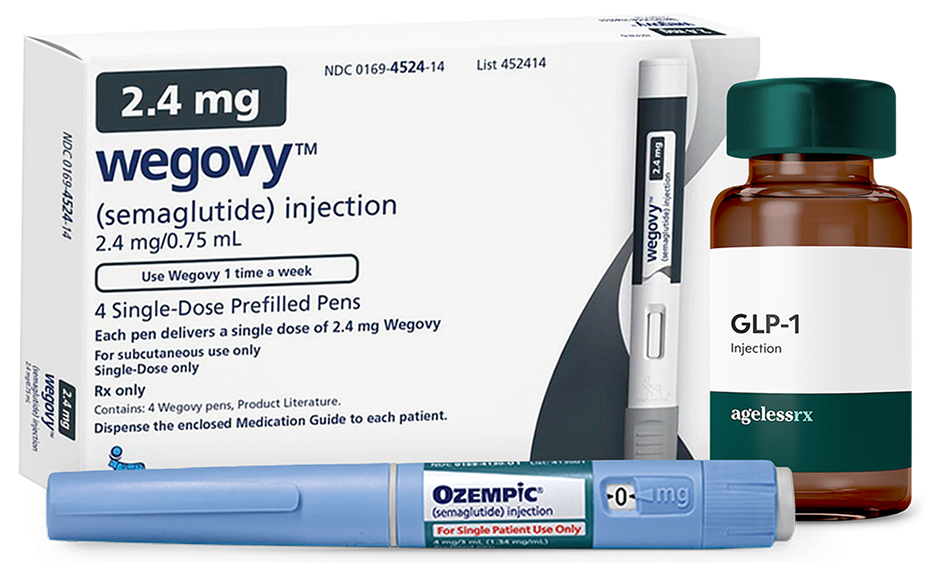

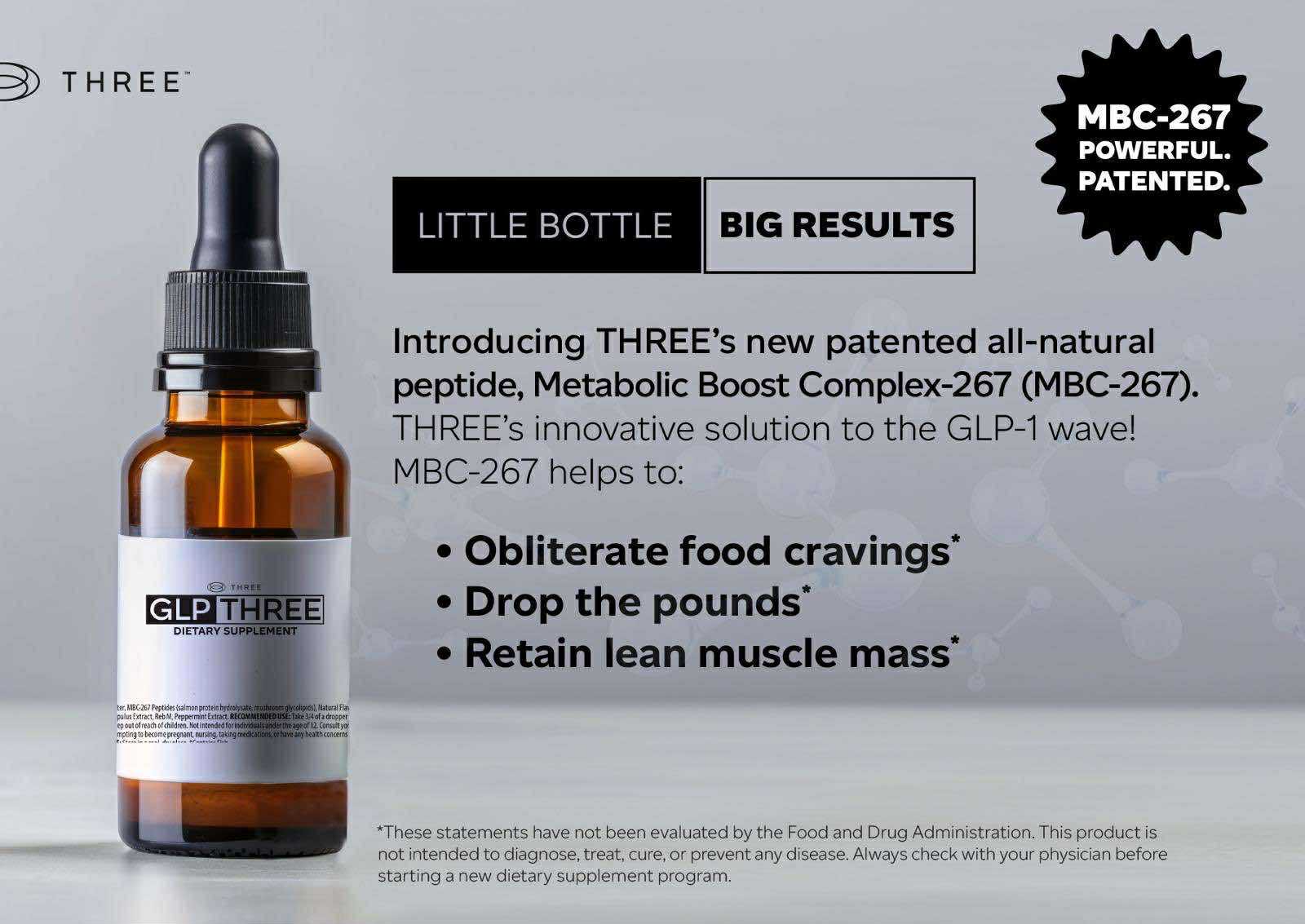
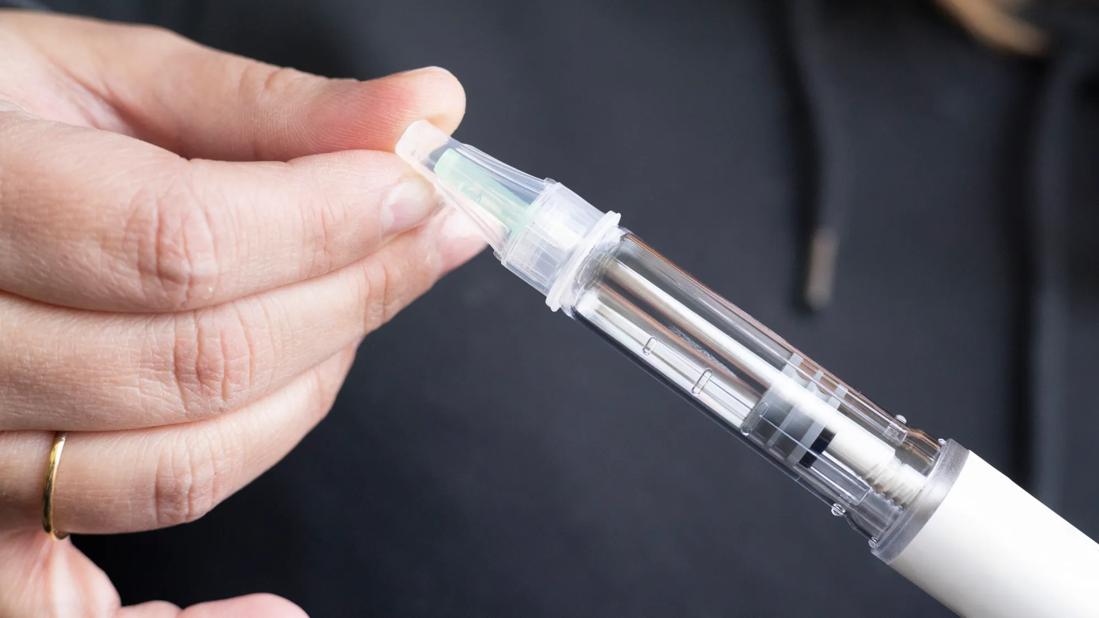
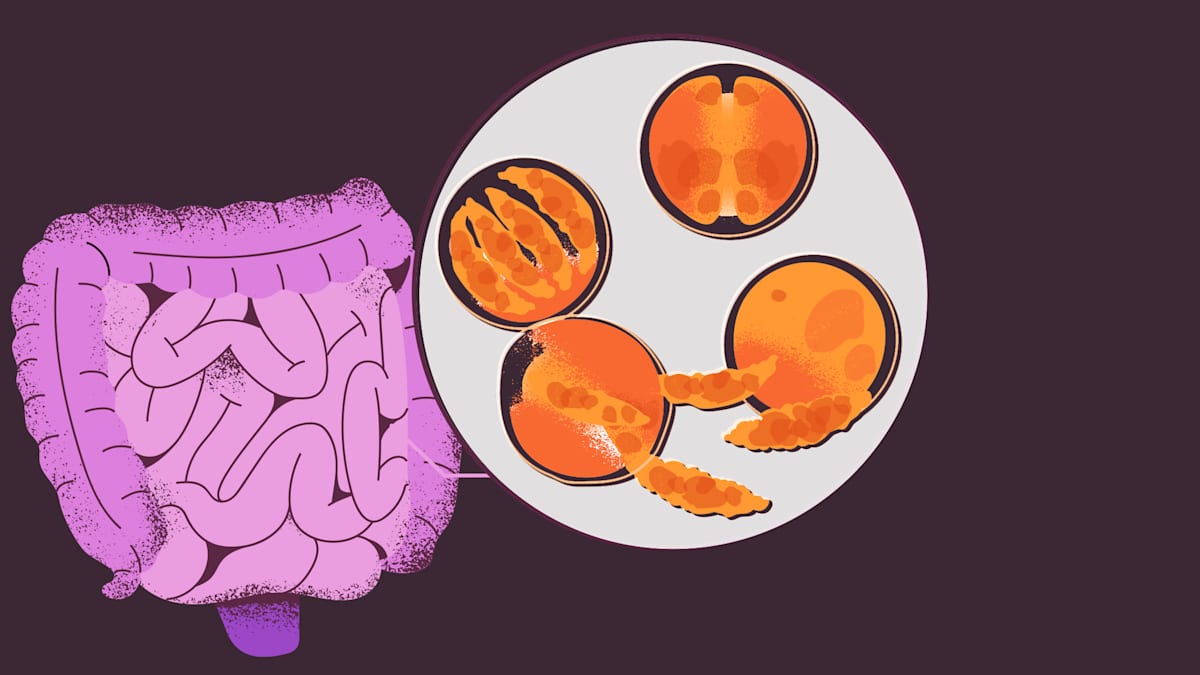


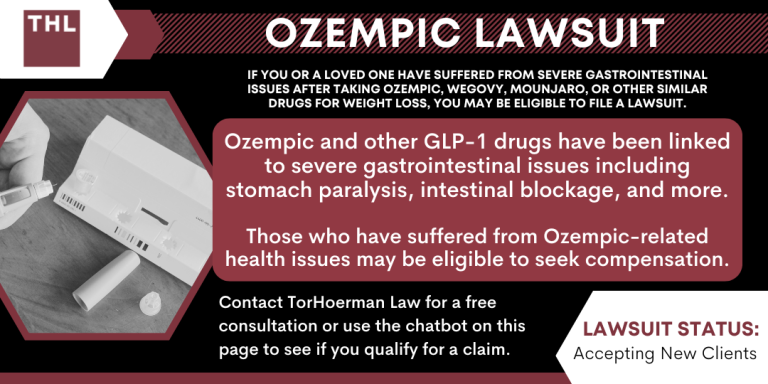
![semaglutide gastrointestinal obstruction law firm in kentucky semaglutide gastric intestinal obstruction law firm in kentucky Ozempic Lawsuit Settlement Amounts [2026 Projections]-bsmoothhr](https://www.sevencells.com/_next/image/?url=https%3A%2F%2Fd2axkj3tr2gl53.cloudfront.net%2Frebranding-2025%2Fproducts%2Fproduct-semaglutide-oral%2Fwhy-semaglutide-oral.png&w=1200&q=75)



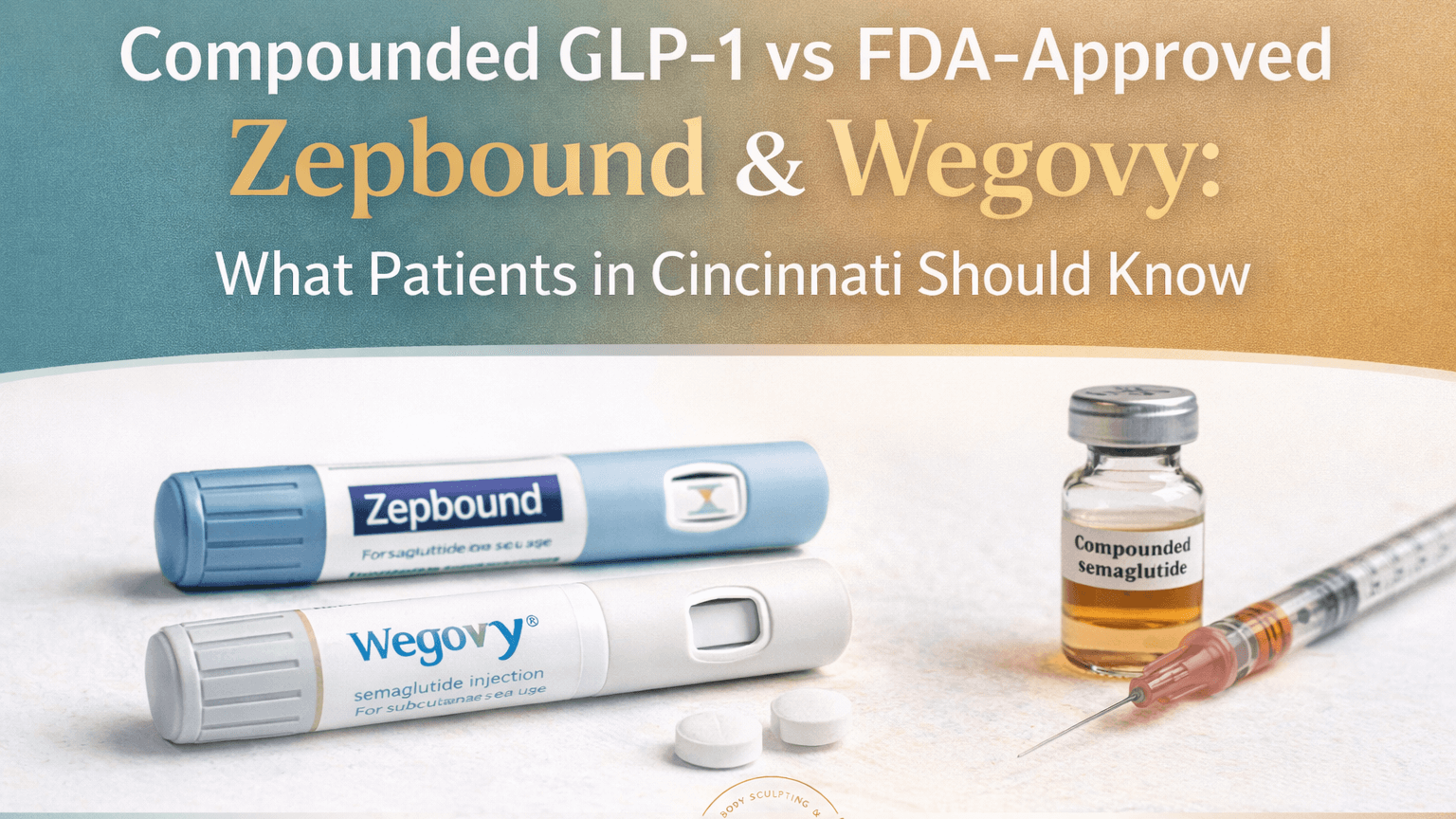&srotate=0)