Methylcobalamin is generally considered safe when taken at recommended doses
Compatible Formulation Types Aqueous or light gel serums O/W emulsions (creams and lotions) Eye contour treatments Sheet mask essences Non-rinsed scalp sprays and leave-on tonics Facial cream formulations Compatibility with Other Actives & System Design Synergistic Combinations GHK-Cu works effectively alongside these active ingredients: Low-strength retinoids : Complementary anti-aging action Niacinamide : Barrier support and brightening Panthenol : Soothing and hydrating Ceramides : Barrier restoration Hyaluronic acid : Hydration and plumping Mild alpha hydroxy acids in night products : Gentle exfoliation Vitamin E and ferulic acid : Antioxidant properties enhancement Combinations Requiring Caution High-percentage glycolic or lactic acid : Can destabilize peptides Low-pH ascorbic acid (direct vitamin C) : May affect copper state Excessive chelators : Compete for copper binding Recommendation : Sequence potentially incompatible actives in separate products within a regimen rather than combining in single formulations

To evaluate the wound closure capability of the peptides, photographs of the wounds were taken at 0, 5, 10, and 15 days after the initial application of the cream
Theres only so much one person can do
(AND probably only if youre ready to consider surgery or one of the alternative medical measures.) Ive already covered this question separately, so if you feel youre reaching this point, check out my article on When Is It Time To Get An MRI
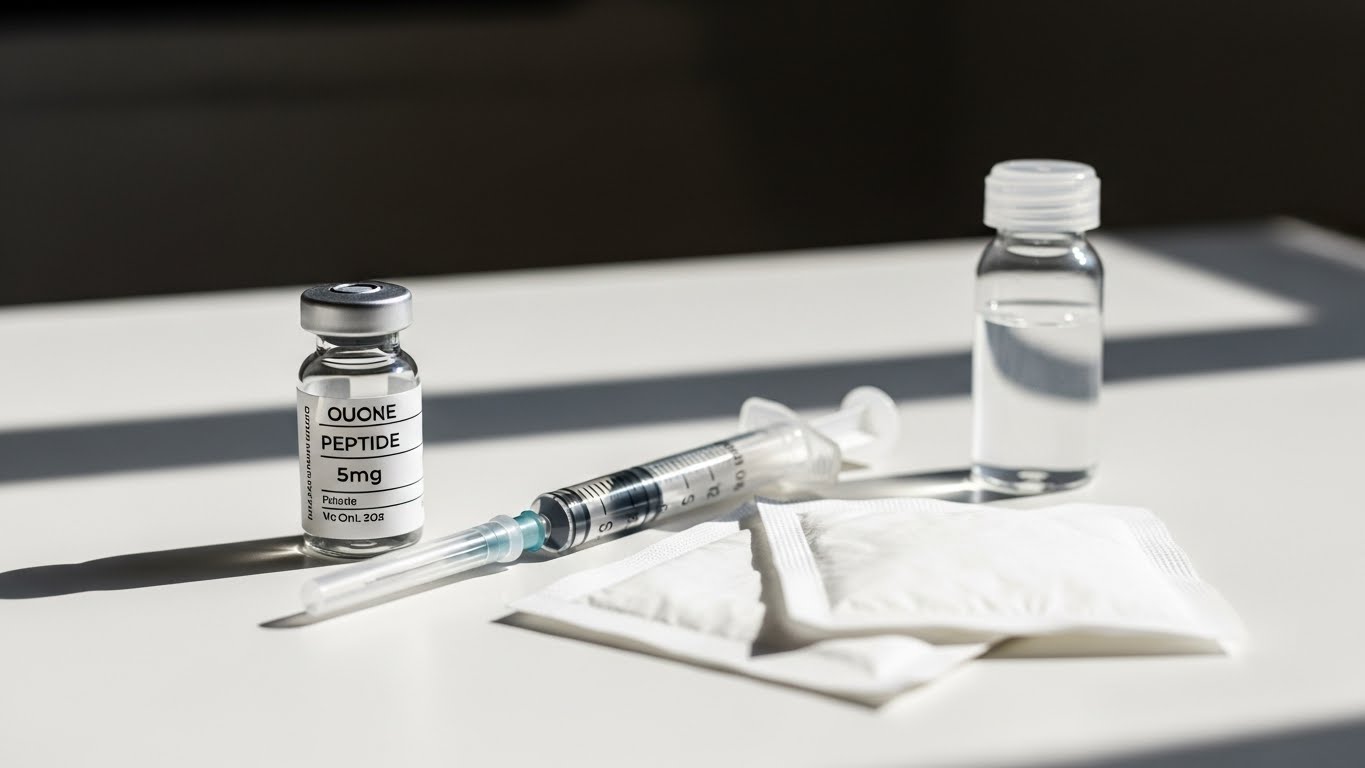
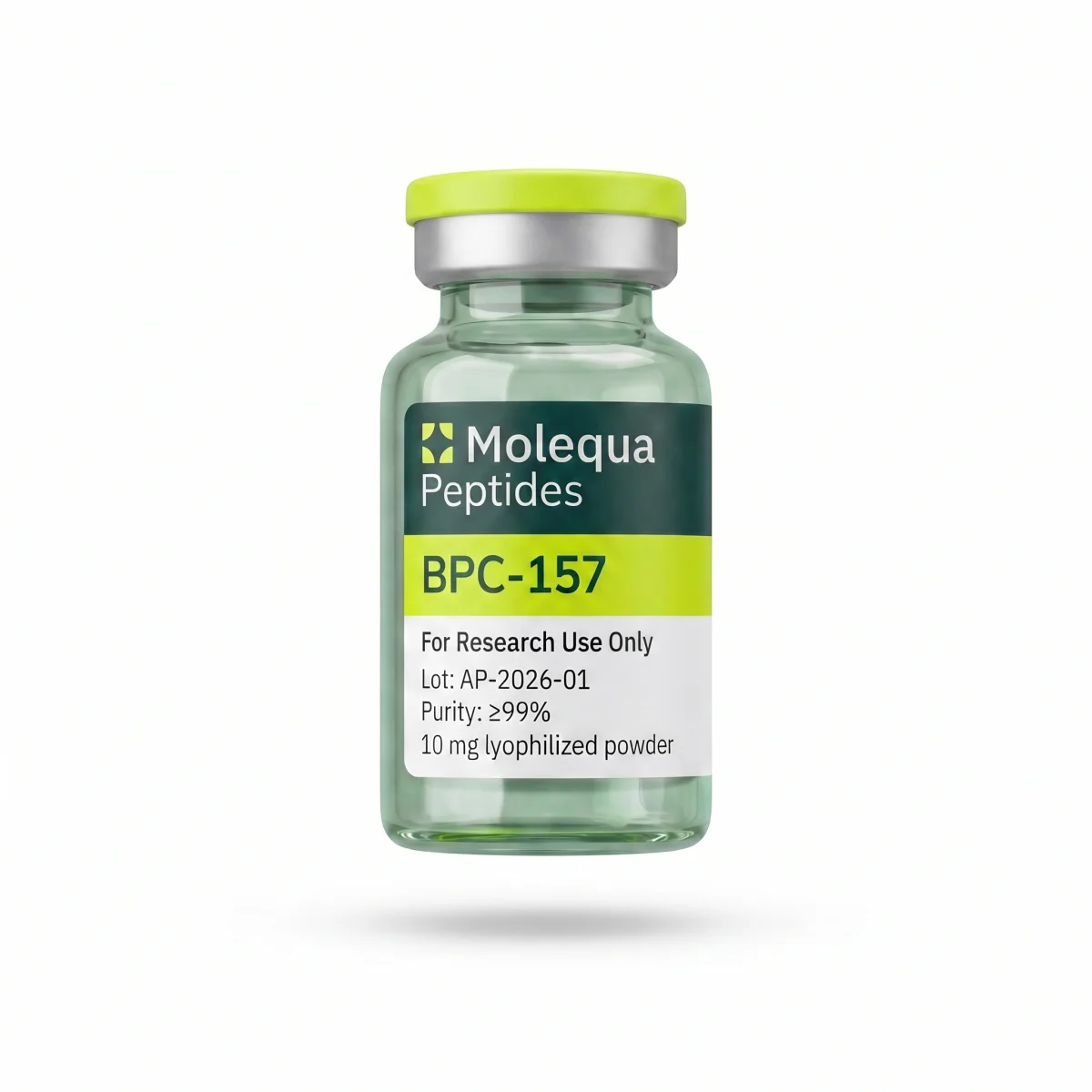
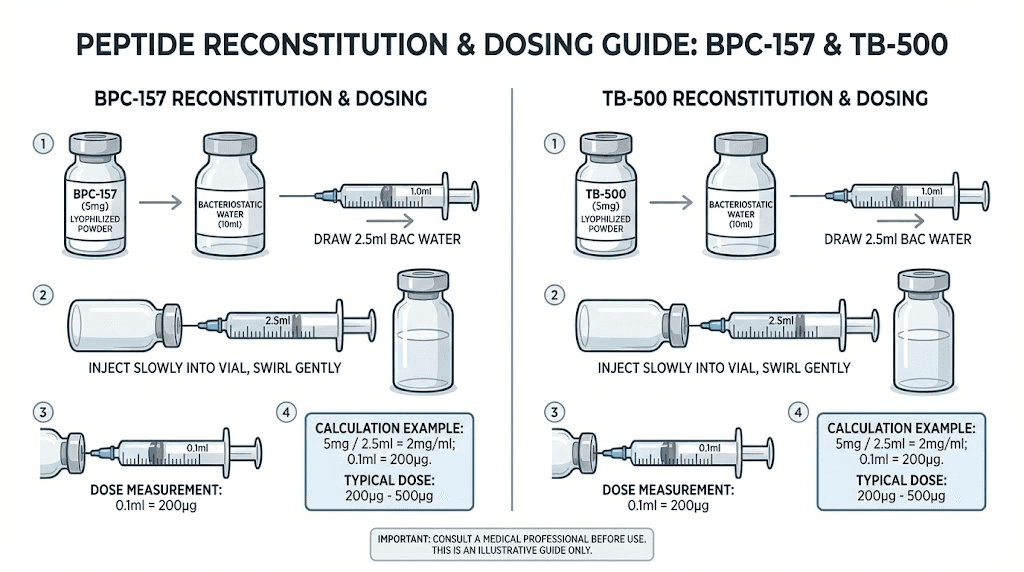
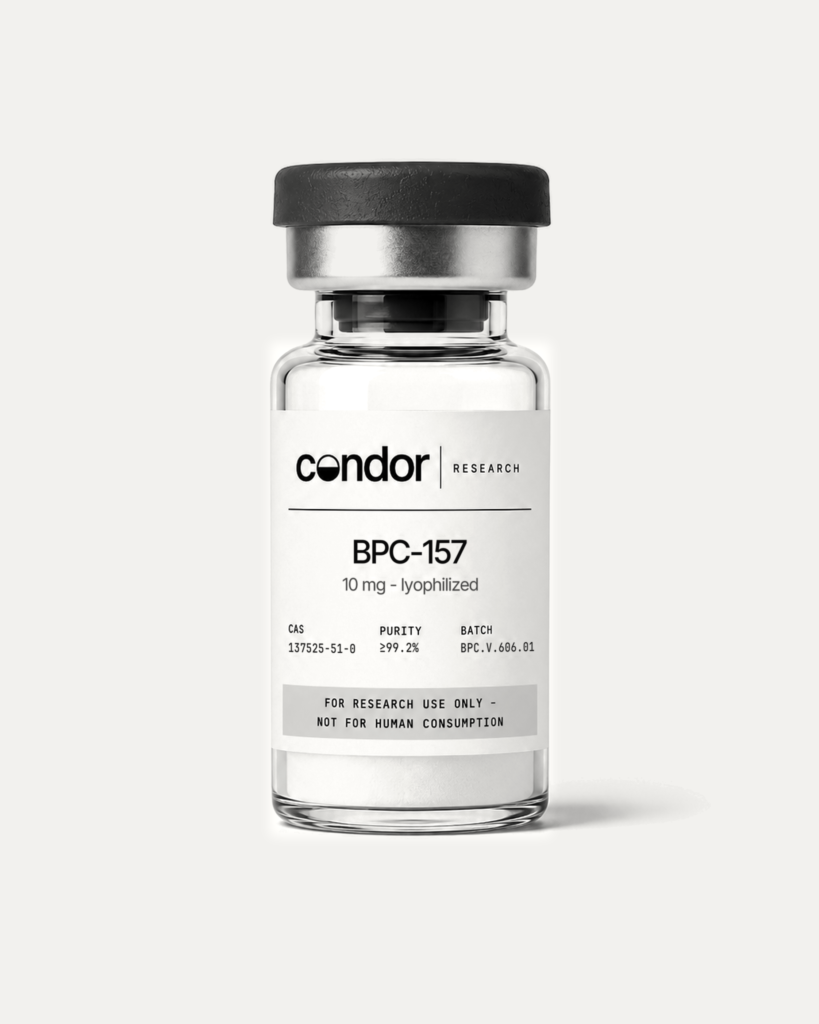
It is an unapproved research chemical presented here for research and educational purposes only



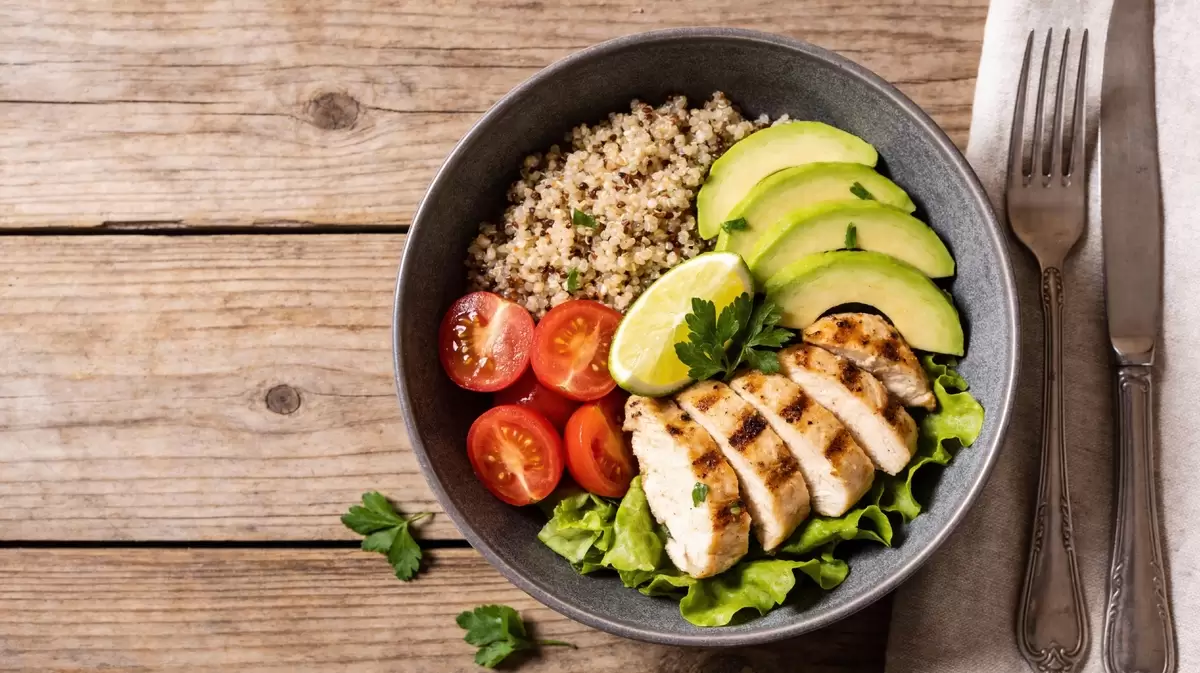
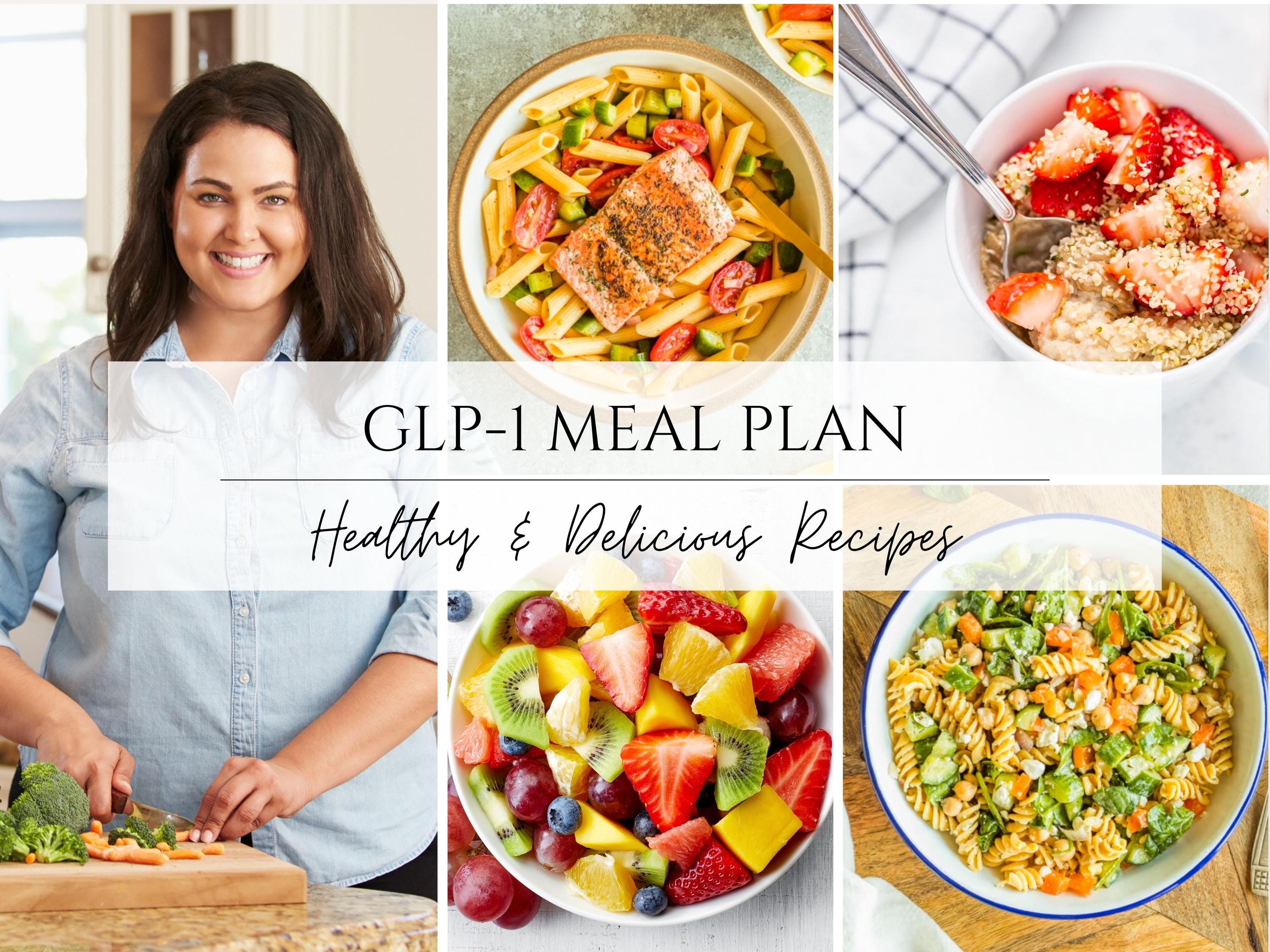
![This Easy Recipe Can Naturally Boost GLP-1 ! [Dietitian Recommended GLP-1 Recipe!]](https://i.ytimg.com/vi/Ejqeg-Pwonk/hq720.jpg?sqp=-oaymwEhCK4FEIIDSFryq4qpAxMIARUAAAAAGAElAADIQj0AgKJD&rs=AOn4CLASpkYtBdf5OMD6cA39PnnVv7JU1g)


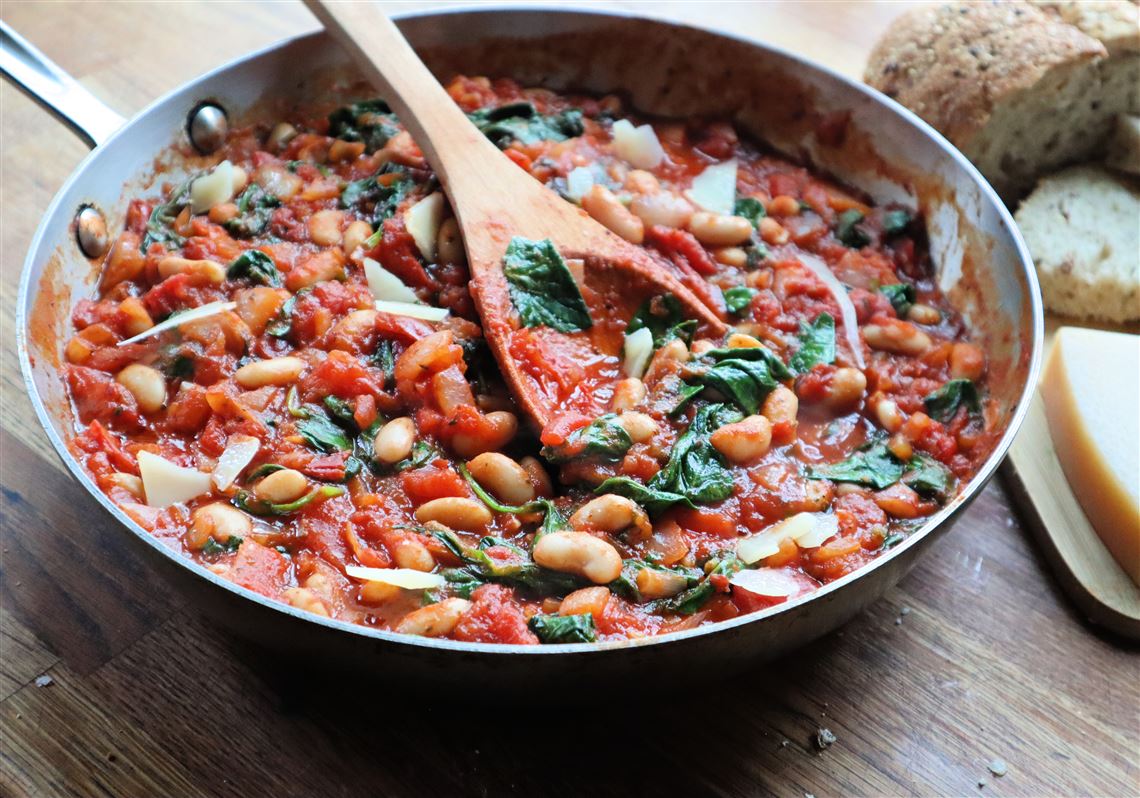


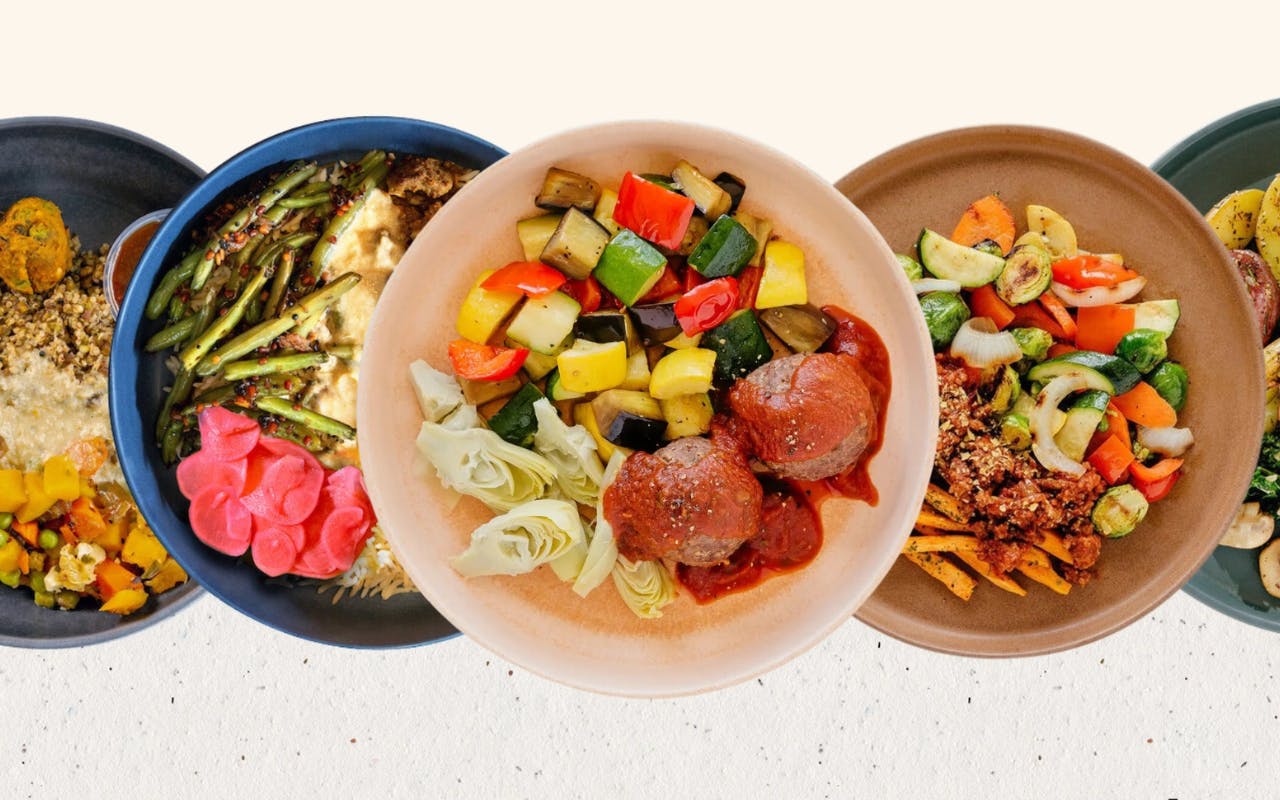
:max_bytes(150000):strip_icc()/Simple-7-Day-GLP-1-Friendly-Meal-Plan-for-Beginners-Created-by-a-Dietitian-69f3d02b6c2c41928135df7f0c417552.jpg)