Perimenopause timeline and hormone changes What perimenopause is: Transition phase before menopause Typically begins ages 40-50 (average 45) Lasts 4-8 years on average (varies widely) Ends 12 months after final period Hormones fluctuate wildly (not just decline) Hormone patterns during perimenopause: Estrogen: Up and down unpredictably (not just low) Progesterone: Declines earlier than estrogen Testosterone: Gradual decline begins Growth hormone: Significant drop (20-30% by age 40) Thyroid: Often becomes imbalanced Cortisol: Increases (stress response changes) Why this is harder than menopause: Menopause = low hormones (predictable) Perimenopause = chaotic fluctuations (unpredictable) Can't predict how you'll feel day to day Harder to treat with traditional HRT Learn about peptides , how peptides work , and what are peptides used for in our foundational guides
-Biotin Supports healthy hair, skin, and nails, and helps metabolize fats and carbohydrates
Zone 5: Under-eye and tear trough Per the Ridha 2024 paper (PMID 38874170), the sub-orbicularis oculi fat (SOOF) compartment is among the most affected by GLP-1 weight loss
(5) This pronounced increase suggests a potentially direct response of MGF to mechanical stimuli within the muscles
Take our quiz Answer a few quick questions to help us understand your goals and medical history
ADVANCED LIPOSOMAL GLUTATHIONE FORMULA (650 MG) : Formulated with 40% Liposomal Glutathione, designed for enhanced absorption and better utilization








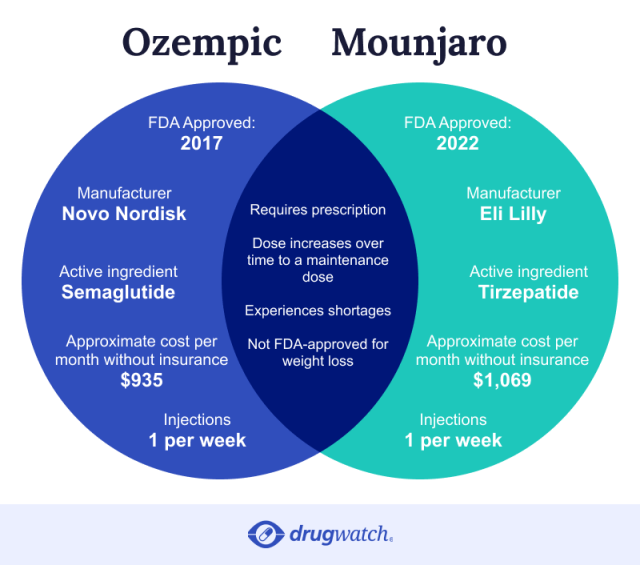
:max_bytes(150000):strip_icc()/HDC-Mounjaro-vs-Ozempic-How-Do-These-Popular-Medications-Compare-528df44a2a4d4432b9bd9c1300354ec8.png)